

The Allure of Gambling
The psychological appeal of casino gaming lies in its intrinsic thrill and excitement. Many individuals are drawn to gambling due to the adrenaline rush associated with taking risks, especially when they explore options like neosurf casino that enhance their experience. This sensation can elevate mood and create a sense of euphoria, often referred to as a ‘gambler’s high.’ These feelings are triggered by dopamine release in the brain, akin to the biochemical response seen with other forms of pleasurable activity, making the casino environment highly stimulating and attractive to players. The emotional highs experienced during gameplay can become a powerful motivator, propelling individuals to return for more of that exhilarating feeling.
An essential factor is the environment crafted by casinos, from the flashing lights to the sound of coins clinking. Such sensory stimuli are deliberately designed to enhance engagement and draw players deeper into the gaming experience. The ambiance can create a feeling of escapism, allowing players to forget about daily stresses and immerse themselves in a world where they might achieve luck and fortune at any moment. This carefully curated atmosphere plays a crucial role in reinforcing the allure of gaming, as it heightens excitement and prolongs the time spent in the casino.
Furthermore, the allure is amplified by the possibility of winning big, which taps into the human propensity for optimism. Many gamblers believe they have a chance, however slim, at hitting a jackpot or winning a high-stakes game. This belief can lead to a cycle of repeated play, encouraging individuals to return in hopes of achieving that elusive victory, which perpetuates the psychological allure of casino gaming. The dream of success, coupled with the emotional highs, creates a compelling narrative that keeps players coming back for more, often despite the reality of the odds.
The Role of Cognitive Biases
Cognitive biases play a significant role in how individuals engage with casino gaming. One prevalent bias is the illusion of control, where players believe they can influence the outcome of random games. For example, a player might think that by employing specific strategies in games of chance, they can sway results in their favor. This misconception can lead to increased gameplay and financial risk, as players chase perceived victories that are, in reality, dictated by luck. The illusion of control can be particularly detrimental, as it may drive players to gamble more than they can afford, believing that their actions will yield favorable outcomes.
Another common bias is the recency effect, where recent wins or losses disproportionately influence a gambler’s decision-making. If a player has won recently, they may feel a surge of confidence, prompting further gambling. Conversely, a series of losses may lead to a player believing that a win is ‘due,’ encouraging them to gamble even more in hopes of reversing their fortunes. Such biases can cloud judgment and lead to reckless behaviors in the pursuit of gaming success, as players become trapped in a cycle of emotional highs and lows that dictate their gambling habits.
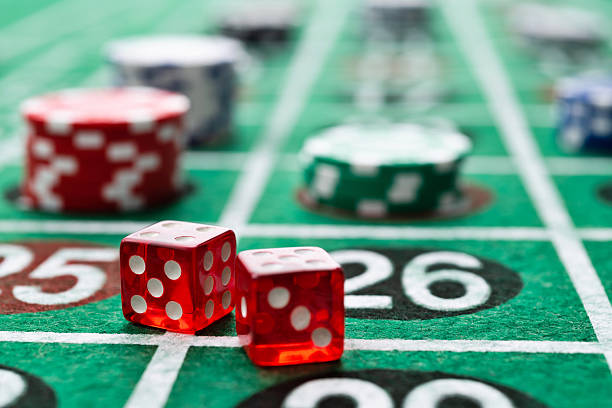
The gambler’s fallacy is also prevalent within casino contexts. This cognitive distortion suggests that past events can influence future outcomes, leading players to believe that if a game has favored one outcome, it must alternate to balance things out. This misconception can result in prolonged and often detrimental gambling sessions, as players invest time and money under the false assumption that they can predict or influence the next round’s outcome. The persistence of these cognitive biases illustrates the complexity of human psychology in the face of chance and randomness, often leading to poor decision-making in the context of gambling.
Emotional and Social Factors
The emotional aspects of casino gaming cannot be overstated. Many players turn to casinos as a means of coping with stress, anxiety, or depression. The thrill of gambling can provide a temporary escape from emotional turmoil, albeit one that may result in long-term consequences. While the initial feelings of excitement can be beneficial in alleviating stress, the adverse effects often emerge when the player faces the reality of losses, which can exacerbate their emotional conditions. This cyclical nature of gambling as a coping mechanism can lead to a dependency that is hard to break, trapping individuals in a pattern of seeking relief through gambling.
Social dynamics also play a crucial role in the gambling experience. Casinos are often social hubs where players can interact and build connections, fostering a sense of community among gamblers. The shared experiences of winning or losing can create bonds, encouraging more frequent visits and social gambling. However, this often leads to a normalization of gambling behavior, making it difficult for individuals to recognize when their gambling shifts from a recreational activity to a problematic behavior. The social aspect can amplify the enjoyment of gambling but can also be a double-edged sword when it leads to irresponsible habits.
Moreover, the gaming industry employs social reinforcement strategies, such as loyalty programs and player clubs, which can enhance the sense of belonging and incentivize continued play. These approaches often encourage players to return to the casino, seeking validation through camaraderie and shared experiences. The interplay of emotional and social factors contributes significantly to the psychological grip of casino gaming, making it challenging for individuals to disengage, even when it becomes detrimental. The need for social connection can lead to a cycle of dependency on gambling as a means of maintaining relationships and social status within these communities.
The Impact of Marketing Strategies
The casino industry employs sophisticated marketing techniques to attract and retain customers, leveraging psychological principles to maximize engagement. Promotions that highlight bonuses, free spins, or complimentary services are designed to entice potential players and create a sense of value. Such marketing strategies are effective because they tap into players’ desires for rewards and immediate gratification, making gambling more appealing. The allure of these promotions can easily overshadow the inherent risks associated with gambling, creating an inviting facade that encourages participation.
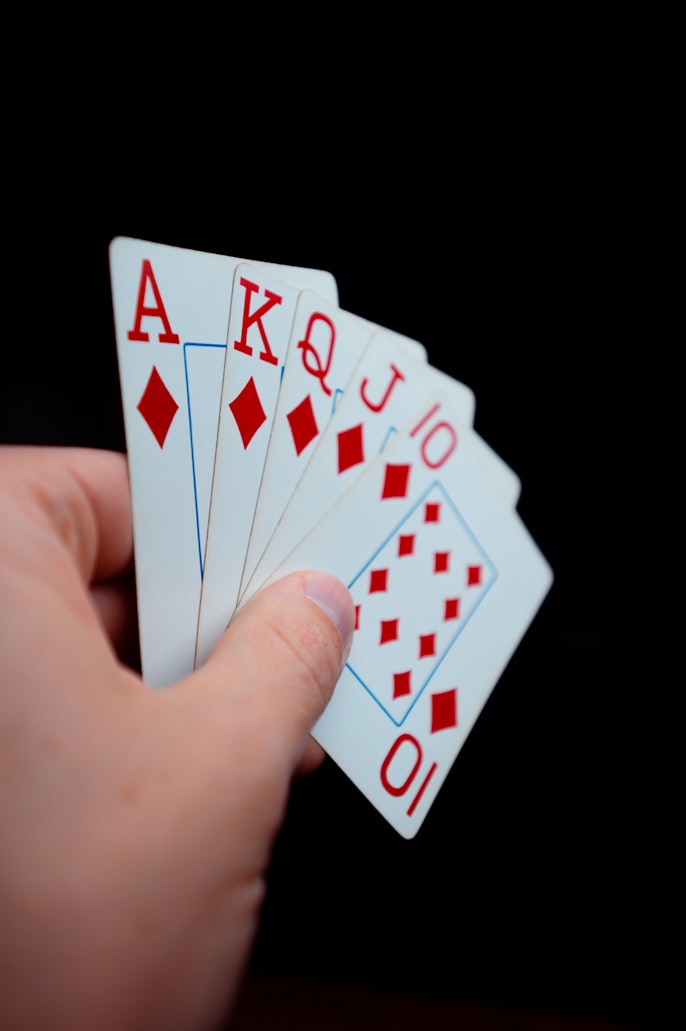
Casinos also utilize targeted marketing campaigns that often appeal to specific demographics. By analyzing player data, casinos can customize their approaches, ensuring that promotions resonate with different audiences. This strategic personalization fosters a sense of loyalty and connection between the player and the casino, reinforcing the psychological dependence that can arise from repeated exposure to gaming environments. By aligning their marketing efforts with players’ interests and motivations, casinos can effectively draw in a diverse range of customers.
Creating a welcoming and glamorous atmosphere further amplifies the effectiveness of these marketing strategies. The strategic placement of high-profile entertainment, fine dining, and luxurious amenities not only draws in players but also reinforces a perception of exclusivity and privilege. This atmosphere can create a psychological association between gambling and high-status living, making the allure of casinos even more compelling for potential patrons. The combination of enticing promotions and an opulent environment cultivates an irresistible draw, making it difficult for players to resist the temptation to engage in gaming activities.
Understanding the Player’s Mind
Understanding the psychology behind casino gaming offers invaluable insights into the behaviors and motivations of players. Cognitive-behavioral therapy (CBT) approaches can provide effective strategies for those struggling with gambling addiction by addressing the thought patterns and emotional drivers that contribute to compulsive behavior. Through these therapeutic interventions, individuals can learn to challenge their cognitive biases and develop healthier coping mechanisms. By focusing on the underlying psychological elements, individuals can work towards breaking free from harmful gambling habits.
Moreover, educational resources about responsible gambling are crucial in preventing problematic behaviors. By fostering awareness of the risks associated with gambling and the potential psychological pitfalls, players can make more informed decisions. Resources that provide tips on setting limits and understanding the odds of various games can empower players to enjoy gambling as a recreational activity without falling into harmful patterns. Education plays a pivotal role in equipping individuals with the knowledge to navigate the gambling landscape responsibly.
Eventually, the conversation surrounding the psychology of casino gaming can lead to broader societal implications. Communities and legislators can work towards creating policies that prioritize player protection and mental health support. By promoting a deeper understanding of the psychological elements involved in gambling, it is possible to create an environment that balances entertainment with responsibility, fostering safer gaming experiences for all. This proactive approach can help mitigate the negative impacts of gambling while still allowing individuals to enjoy the thrill of casino gaming responsibly.
