

The Illusion of Winning
Casinos expertly create an environment that plays on the psychology of winning, often amplifying players’ perceptions of success. One of the most prominent techniques is the use of near-misses, where players come close to winning without actually receiving a payout. This tactic triggers a psychological response that encourages continued play, as the brain interprets these moments as potential victories, fostering a false sense of confidence. Gamblers should also be aware of the best casinos not on gamstop that can further influence their experiences.
Add to this the sound effects and visual stimuli associated with wins, however small, and the psychological compulsion to keep playing intensifies. The celebratory sounds of coins dropping or a winning slot machine jingle can stimulate dopamine release, creating a rewarding experience that players want to repeat. This cycle of expectation and reward keeps players engaged longer than they initially intended.
Losses Masked by Wins
Another psychological trick employed by casinos is the concept of “losses disguised as wins.” This strategy often manifests in slot machines, where players receive a payout for a spin that is still a net loss. For example, if a player bets $1 and wins back 50 cents, they might feel a sense of excitement despite losing money overall. This confusion about winnings keeps players at the machines, believing they are winning when they are really losing.
This phenomenon can create an addictive loop, as players chase the high of those illusory wins while overlooking their overall losses. The psychological effect is profound, leading to a distorted sense of success that entraps players into thinking they are on the verge of a significant win, thereby prolonging their playtime. Understanding one’s motivations is crucial for navigating these challenges.
The Environment and Atmosphere
The design of casinos plays a crucial role in the psychological tricks they use to keep players engaged. Bright lights, vibrant colors, and a cacophony of sounds create an immersive atmosphere that can disorient players and make time seem irrelevant. Casinos often lack windows and clocks, eliminating the concept of time and encouraging prolonged stays.
This carefully curated environment is aimed at creating a sense of excitement and urgency. By ensuring that players remain unaware of how long they’ve been playing, casinos capitalize on the thrill and the moment-to-moment experience, significantly increasing the likelihood of continued gambling.
Social Reinforcement
Casinos also leverage the social aspects of gambling to keep players engaged. The idea of playing among a crowd and enjoying a shared experience can amplify excitement and create a sense of community. The cheers and reactions of others when someone wins can serve as a powerful motivator, pushing individuals to remain in the game to experience that joy for themselves.
This social reinforcement can lead to longer playing times as players seek to prolong their enjoyment alongside others. The camaraderie formed in these environments can provide emotional fulfillment that keeps players returning, often leading to increased spending and extended gaming sessions.
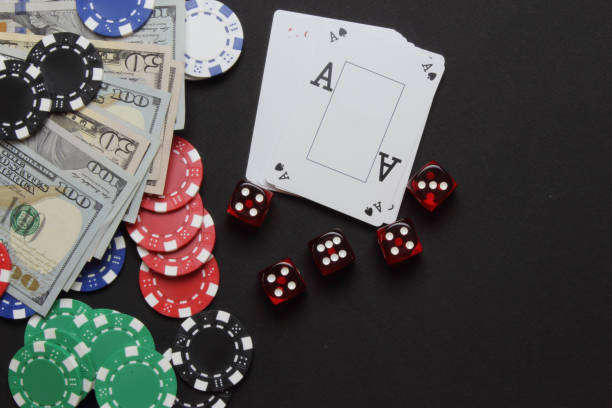
Understanding Casino Strategies for Better Choices
Becoming aware of the tactics used by casinos can empower players to make more informed choices about their gambling habits. By understanding how psychological triggers work within these environments, individuals can better recognize when they are being affected by these strategies and potentially curb excessive play.
Ultimately, knowledge is a powerful tool. While the allure of gambling can be strong, maintaining an awareness of these psychological tricks can help players balance their recreational activities with responsible gaming practices. Engaging with resources that promote awareness, like those that highlight the impact of gambling on personal well-being, can foster healthier habits in the long run.
